
2026-10-16 ·
Wind Mitigation Form OIR-B1-1802 After a Reroof
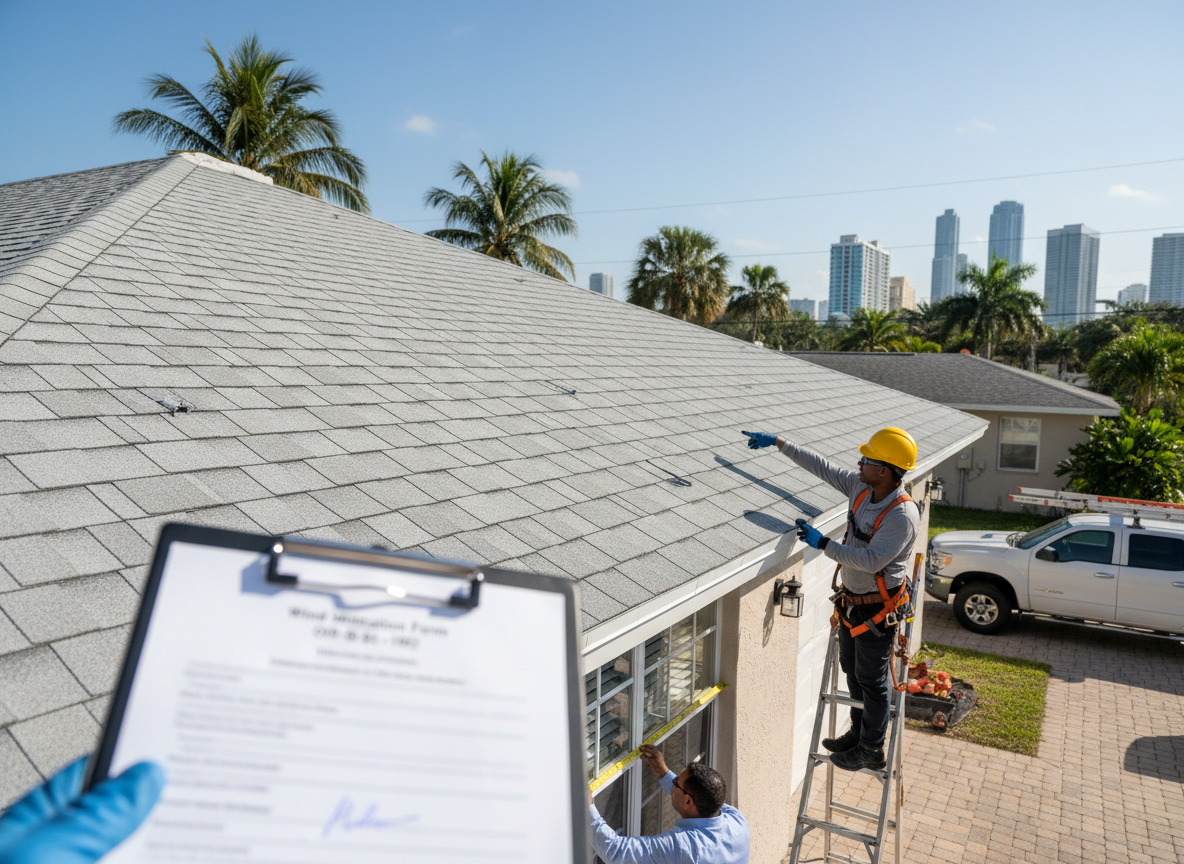
A new roof is the most expensive thing most homeowners do to their house in a decade. In Florida, it can also change how an insurer prices the policy, but only if the features that matter are installed, documented and recorded on the right form. That form is the uniform mitigation verification inspection form, known by its number, OIR-B1-1802.
This guide explains what the form is, what changed in 2026, how a reroof in Miami-Dade connects to it, and what to keep so the inspection goes smoothly.
What the Form Is
OIR-B1-1802 is Florida's standard form for recording a home's wind-resistant features. An inspector visits the house, checks specific features of the roof and its connections, and records what is there. Insurers use the completed form when they apply discounts for windstorm loss mitigation.
Florida law requires residential property rate filings to include actuarially reasonable discounts, credits or other rate differentials for windstorm loss mitigation features, and since October 1, 2023, insurers must describe these discounts on their websites. How a given feature affects a given premium is the insurer's decision. The form is how the feature gets on the record.
What Changed in 2026
The form was revised in 2026. The new version, marked Rev. 04/26, became effective on April 1, 2026, and any inspection carried out from that day onward has to be recorded on it. Citizens has said it will accept the prior Rev. 01/12 form if the structure is unchanged and the inspection was completed within five years before April 1, 2026 (Citizens Property Insurance notice of March 19, 2026, citizensfla.com).
That last condition matters after a reroof. A new roof is a change to the structure. If your last wind mitigation report predates the new roof, it describes a roof you no longer have. Plan on a new inspection on the current form once the reroof passes final inspection.
How a Miami-Dade Reroof Connects to the Form
Reroofing a site-built house in Miami-Dade brings the County's hurricane mitigation rules into play. They reach three parts of the building:
- How the deck is fastened, which has to meet the Florida Building Code.
- A backup water barrier under shingle, wood shake and metal panel coverings. Tile laid over an approved underlayment system already satisfies this.
- The ties between roof framing and walls, in homes that meet the value test below.
Deck fastening and the backup water barrier are required on every such reroof. The roof-to-wall ties are required only for homes insured, or if uninsured valued, at $300,000 or more, and only where they can be done for about 15% of the reroof price (F.S. 553.844).
Several of these are among the features the wind mitigation form records. That is why a reroof is the moment the form matters most: the roof is open, the deck and connections are reachable, and the work is already required. A homeowner who understands the link can make sure the work is done and documented in a way an inspector can verify later.
What to Ask Before the Reroof Starts
- Dig out the last wind mitigation report on the house. It shows which features are already credited, so you can see what the reroof might add.
- Ask for the County mitigation items to be listed separately on the estimate. You should be able to see each item, and whether the roof-to-wall test applies to your home. Our roof replacement page lists what a full estimate should show.
- Ask which items relate to features the form records. A roofer can explain what is being installed; the inspector decides what to record.
- Ask how the work will be documented. Photos of the deck fastening before the underlayment covers it, and of reachable roof-to-wall connections, give the inspector something to verify later.
What to Keep After the Roof Passes Inspection
The inspector will want evidence, not memories. Keep these together:
- The roofing permit and the final inspection result.
- The product approvals for each roofing product. Miami-Dade requires approval for building envelope products used in the County.
- The Owner's Notification Form, which accompanies the roofing permit application in the High-Velocity Hurricane Zone.
- Photos taken during the job, especially of the deck fastening and the underlayment before they were covered.
- The itemized estimate and final invoice, showing the mitigation items.
New Construction Is Different
On a new build, an addition or a full rebuild, there is no existing roof to retrofit, so the County's reroof mitigation rules do not apply in the same way. Everything from the deck upward is reviewed and approved as a new system. The same paperwork still helps a wind mitigation inspector later, so keep the permit, approvals and inspection results together. Our new roof installation page covers that path.
Older Homes Have the Most to Gain
Neighborhoods with older housing are where a reroof is most likely to add features the form records. Census estimates put the median home in Palmetto Bay at 1976 and in South Miami Heights at 1978. Some homes there may have been reroofed since, and only the permit record shows which, but any roof that has not been replaced under current rules is a candidate for the improvements a reroof brings. Our service areas page lists the permit office for each community we serve.
The Insurance Context
Roof age and roof features are separate questions for an insurer. Florida bars insurers from turning down or dropping a homeowner policy purely because the roof is under 15. Past that age, the roof gets an inspection first, and a finding of five or more years of remaining life rules out an age-only refusal. A new roof resets that clock. The wind mitigation form is about something else: the features that resist wind. A reroof can help on both fronts, but only your insurer can say how much.
A Short Checklist
- Before: current wind mitigation report, itemized estimate with mitigation items separate.
- During: photos of deck fastening, underlayment and reachable connections.
- After: permit and final inspection, product approvals, Owner's Notification Form, invoice, and a new inspection on the Rev. 04/26 form.
- Then: ask your insurer which mitigation credits apply and what documents they want to see.
Talk to Us
If you are planning a reroof and want the work to count, call Roof Repair Miami at (786) 892-8191. The phone is answered 24/7. We are at 22510 SW 172nd Ct, Miami, FL 33170.